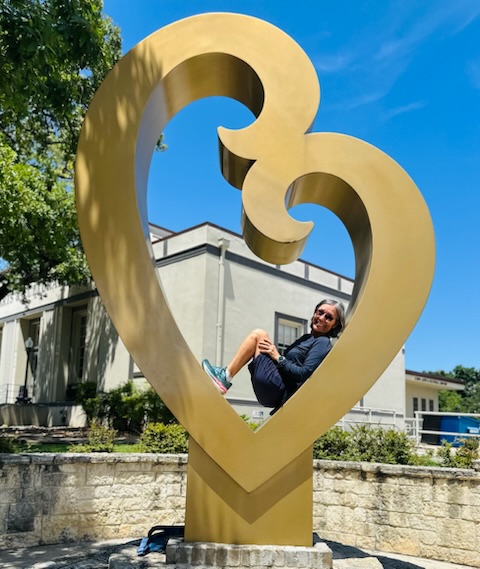
Meet Maria Stayton, our first featured artist at Art of Bastrop!
A cornerstone of Bastrop’s creative community, Maria has played a vital role in many of the city’s artistic initiatives. Explore her artwork below and dive into our interview to get to know her better.
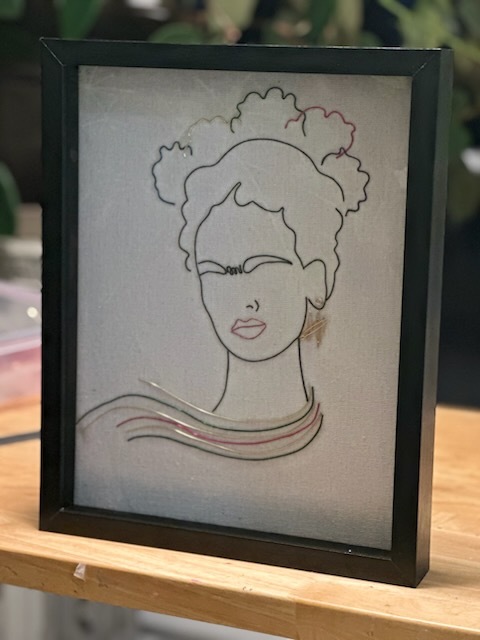
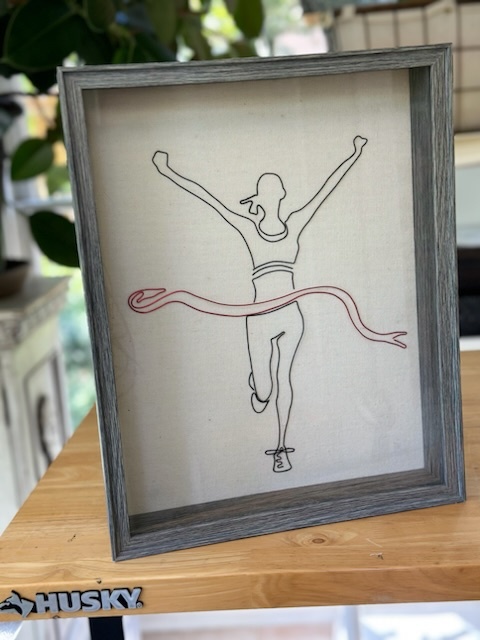
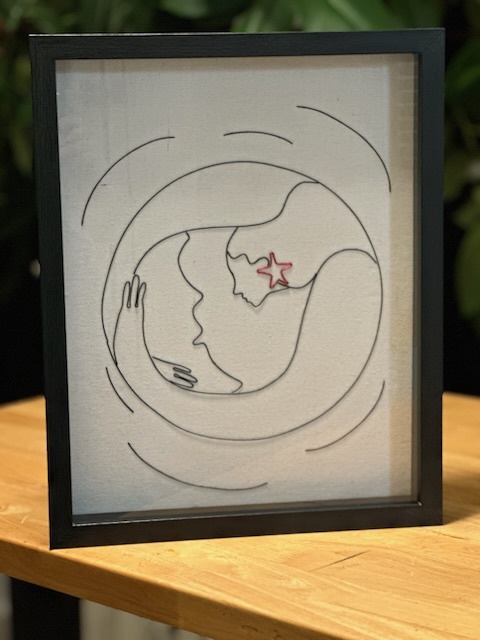
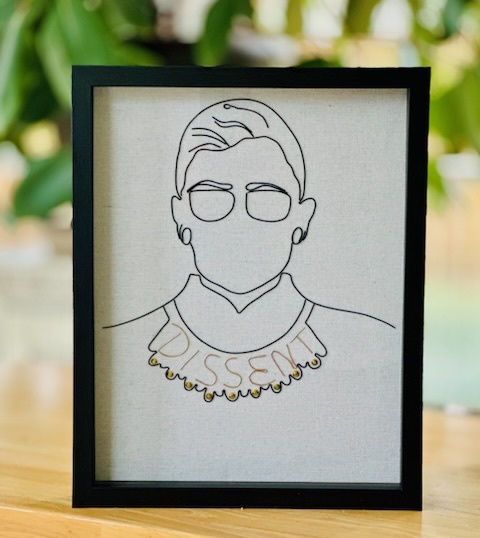
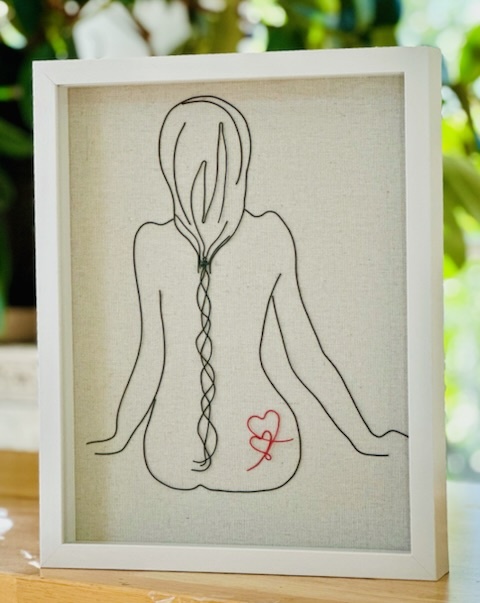
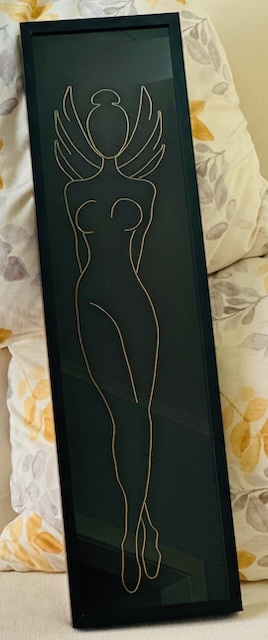
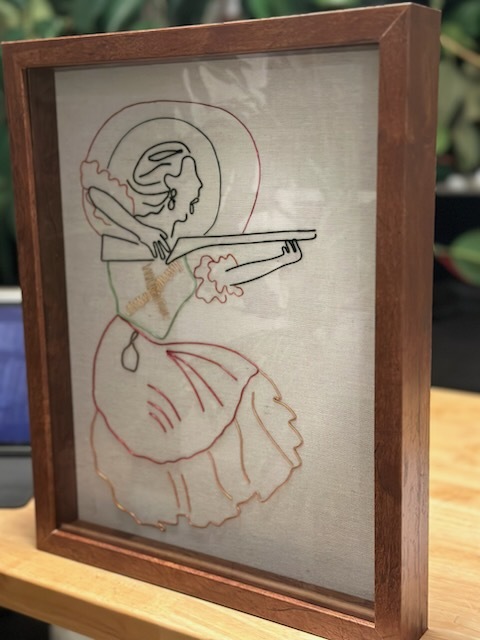
How long have you been a Bastrop-based artist and how did you find your way here?
I became a Bastrop-based artist in a very specific moment—right after the Bastrop County Complex fire in September of 2011. Standing in the ashes of what had been my home, I picked up a few charred and broken items and placed them in a repurposed wooden frame. That simple act—of assembling what remained—was the beginning of my journey as an artist. I started creating art from found objects, giving new form and meaning to things that had been burned, broken, or discarded. In many ways, Bastrop didn’t just become my creative home—it’s where I became an artist.
When did you realize that you were an artist?
I’ve always been creative—I’ve used that creativity to problem-solve and connect ideas in both personal and professional settings. But I didn’t think of myself as an artist until after the fire, when I started making whimsical assemblage pieces from the remnants left behind. What began as a personal, healing act slowly turned into something more when people began to respond to the work—and buy it. That’s when it hit me: I could make art, and
it could matter to others, too.
Can you speak to your art training?
I have no formal art training. I take a just-in-time approach: if I need to learn how to mosaic, I visit mosaic artists, explore galleries, do the research, and experiment. That way, I don’t just learn how to do it—I learn multiple ways to approach it. Curiosity and resourcefulness are my best teachers.
Where do you find inspiration?
Inspiration comes from everywhere—big and small. Nature, in all its forms, is a constant whisper. So is something someone says… or doesn’t say. Sometimes it’s a feeling or a message that wants to be expressed symbolically. For me, there’s never a shortage of inspiration—just an ongoing invitation to pay attention.
What is your work concerned with?
Since I was a young girl, I’ve felt that women’s true essence was often missing from books, movies, and mainstream culture. The portrayals I saw were flat—passive characters with little agency or complexity. My work pushes back against that. Using wire, I explore women’s expressions, movements, and roles—seen through a woman’s eyes. It’s about
reclaiming the narrative and giving shape to what’s so often overlooked.
What are your preferred medium(s)?
I’m drawn to any material I can use in a non-conventional way. I bend and shape wire to capture the lives and forms of women. I mosaic with broken glass to reflect the earth’s infinite, fractured beauty. I like working with what’s overlooked, discarded, or unexpected—transforming it into something expressive and whole.
Can you talk a little about your creative processes?
This is a tough one, because so much of my process happens all at once. But if I had to break it down, it starts with a question: Do I have something to say? And then, How can I say it without words—how can I show action or emotion in a way the viewer can instantly feel? If I find that answer, I begin gathering materials and get to work. I always start with a clean table. I work, I make a glorious mess, and when I’m finished, I clean it all up before starting again. I’m not sure why that ritual matters, but it does.
Do you have any feelings towards digital versus traditional mediums?
All mediums were once considered traditional before they evolved into something new, so I’m not anti-digital. That said, digital media carries its own cultural biases—especially when it comes to representing women through a woman’s lens. Digital can be a powerful tool, but for me, the message should always begin with a human voice. The medium should serve the message—not the other way around.
Who are some artists that you look to?
I hesitate to start with Picasso because his personal life was… complicated. But I can’t deny how much I admire his fractured portraits and minimalist drawings. What I truly appreciate is his ability to convey a message regardless of medium—whether through printmaking, collage, ceramics, or painting, he let the idea dictate the form. I also look to Van Gogh, who dug beyond his era’s expectations to paint peasants, crows, irises, and the night sky—he captured the soul of the ordinary and helped us see it as extraordinary.
If you could own one piece from a living artist, who would it be?
If Rodin were still alive, I’d bring The Kiss home in a heartbeat. But since he’s not, I’d choose Kara Walker’s The Marvelous Sugar Baby. It’s bold, unsettling, and unforgettable—exactly what great art should be. Her work challenges, questions, and redefines what we think we know. I’d be honored to live with a piece that powerful.
What do you feel is the role of art in this world?
Art is a non-verbal form of communication. It’s how we share feelings, thoughts, and ideas—artist to viewer, human to human. In my little corner of the world, I know I’ve done my job as an artist when someone smiles, frowns, asks a question, or even cries in response to what I’ve created. Art connects us in ways words sometimes can’t.
What else do you enjoy besides making art?
I love to move—whether it’s running, walking, exercising, or occasionally dancing (though that mostly makes people laugh). I love to travel, especially throughout North, Central, and South America, to explore different cultures and connect with new people. And most of all, I love food—especially dessert. Always dessert.
Where can we find your work? Do you have any shows planned for the future?
You can find my work at a small gallery I share with two other artists in downtown Bastrop. It’s called Painted Bunting Art and Gifts. We showcase a range of original work and handmade items, and there’s always something new to see. Stop by if you’re in town—we’d love to show you around.
Any final advice for all the artists reading out there?
Don’t wait for permission. Make the work, even if it’s messy, even if it scares you. Especially if it scares you. And find your people—art is better when it’s part of a conversation.